
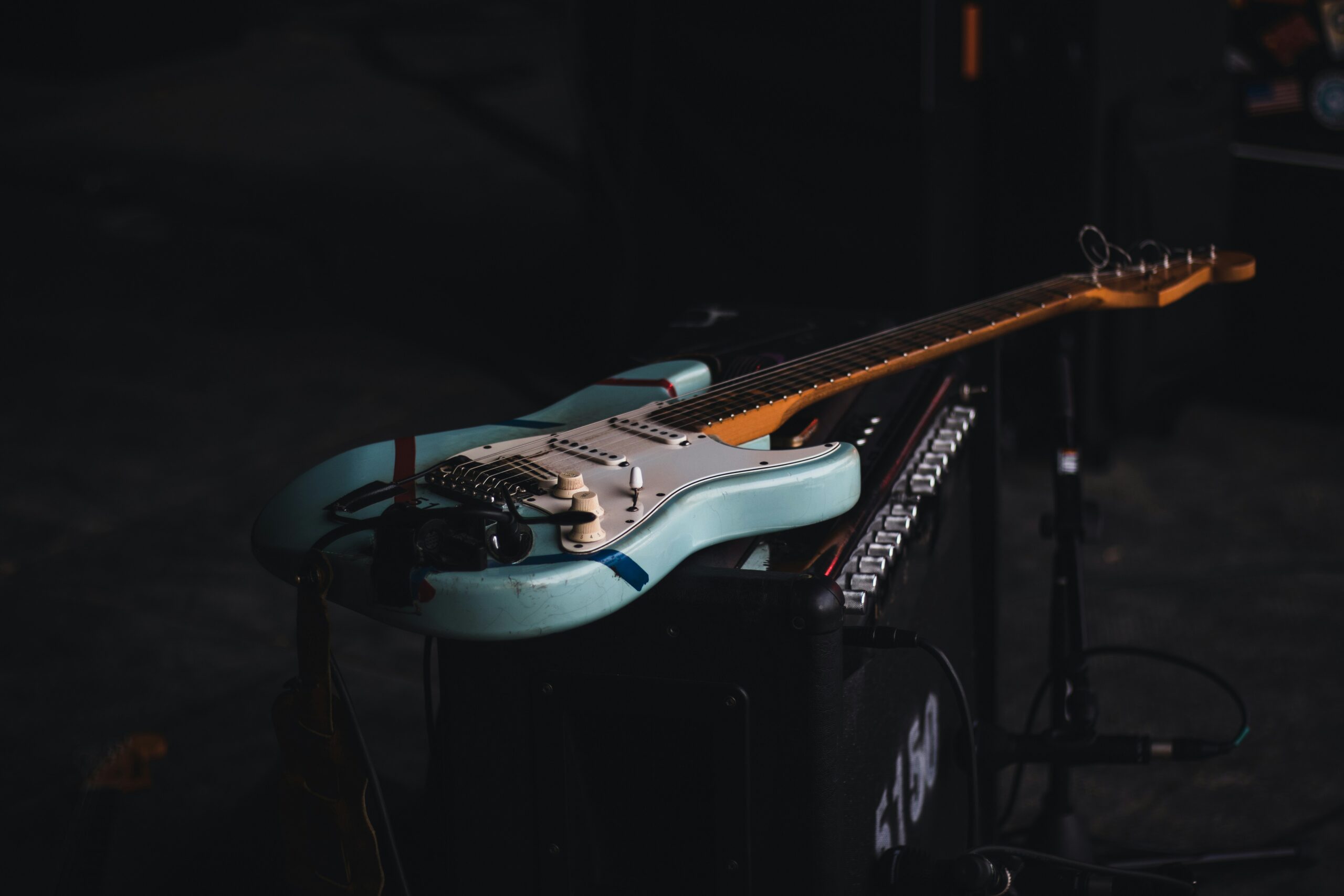
One of the key components of a guitar is its body, which is usually made of wood. The body of the guitar is responsible for producing and amplifying the sound. Different types of wood, such as mahogany, spruce, and maple, are used to create different tones and characteristics in the sound of the guitar. The shape and size of the body also play a significant role in the overall sound projection and resonance of the instrument.
Another important part of the guitar is the neck, which is attached to the body. The neck is usually made of wood as well and is responsible for holding the strings and providing support for the player’s hand. The neck of the guitar is fretted, meaning it has metal strips called frets that divide the neck into different sections. By pressing the strings against the frets, the player can change the pitch of the notes produced.
The headstock is located at the end of the neck and is where the tuning pegs are located. These pegs are used to adjust the tension of the strings, allowing the player to tune the guitar to the desired pitch. Tuning the guitar is crucial for achieving accurate and harmonious sounds.
The strings of the guitar are usually made of steel or nylon, although there are variations that use other materials. The strings are attached to the bridge, which is located on the body of the guitar. When the strings are plucked or strummed, they vibrate and produce sound waves that resonate throughout the body, creating the characteristic sound of the guitar.
Guitars can come in various shapes and sizes, with the most common types being acoustic and electric guitars. Acoustic guitars are designed to produce sound without the need for amplification and are often used in folk, country, and singer-songwriter genres. Electric guitars, on the other hand, require amplification and are commonly used in rock, blues, and jazz music.
In addition to the acoustic and electric guitars, there are also other variations such as bass guitars, which have a lower pitch range and are commonly used in rock and funk music. There are also classical guitars, which have nylon strings and are specifically designed for playing classical music.
Regardless of the type of guitar, playing this instrument requires skill and practice. Guitarists use their fingers or a pick to pluck or strum the strings, creating melodies, chords, and solos. The guitar is a versatile instrument that allows for a wide range of playing techniques, from gentle fingerpicking to aggressive power chords.
Overall, the guitar is a beloved instrument that has been a staple in the world of music for centuries. Its versatility, expressive sound, and wide range of playing styles make it a favorite among musicians and music lovers alike.
7. Pickups
While not all guitars have pickups, they are a crucial component of electric guitars. Pickups are magnetic devices that capture the vibrations of the strings and convert them into electrical signals. These signals are then sent to an amplifier, which further amplifies the sound produced by the guitar.
8. Controls
Electric guitars also have various controls that allow the player to adjust the tone and volume of the instrument. These controls typically include knobs for adjusting the volume and tone, as well as switches for selecting different pickup configurations.
9. Soundhole
Acoustic guitars have a soundhole located on the body. This opening allows the sound produced by the strings to escape, creating a resonating chamber that enhances the volume and tone of the guitar. The size and shape of the soundhole can have a significant impact on the overall sound of the instrument.
10. Nut
The nut is a small piece of material, often made of bone or synthetic materials, located at the top of the neck. It has grooves that hold the strings in place and determine their spacing and height. The nut plays a crucial role in maintaining proper string alignment and ensuring accurate intonation.
11. Saddle
The saddle is located on the bridge of the guitar and is responsible for transmitting the vibrations from the strings to the body. It is typically made of bone or synthetic materials and is adjustable to fine-tune the intonation of the instrument. The saddle also determines the action of the strings, which refers to the distance between the strings and the fretboard.
12. Strap buttons
To make it easier for players to hold and play the guitar, many instruments have strap buttons. These are small metal or plastic attachments located on the body of the guitar. They allow the player to attach a guitar strap, which can be worn over the shoulder to support the weight of the instrument during performance.
Understanding the anatomy of a guitar is essential for players to develop a deeper appreciation for the instrument and make informed decisions when selecting or customizing their own guitar. Each component plays a vital role in the sound, playability, and overall performance of the guitar, making it a truly remarkable instrument.
The Role of the Guitar in Music
The guitar plays a crucial role in music, serving as both a rhythm and lead instrument. Here are some ways in which the guitar contributes to the overall sound and feel of a piece of music:
1. Rhythm Guitar
The rhythm guitar provides the foundation for the music. It plays chords or chord progressions that establish the harmonic structure and groove of a song. The rhythm guitar often plays in sync with the drums and bass to create a solid rhythmic foundation for other instruments to build upon.
For example, in a rock band, the rhythm guitar may play power chords in a driving rhythm, providing the energy and intensity that propels the song forward. In a jazz ensemble, the rhythm guitar may play comping patterns, adding depth and texture to the overall sound.
2. Lead Guitar
The lead guitar takes on a more melodic role and often plays solos, riffs, and fills. It adds a distinct voice to the music and can be highly expressive. The lead guitar often takes center stage during solos, showcasing the technical skills and creativity of the guitarist.
For instance, in blues music, the lead guitar may play soulful bends and expressive vibrato to convey emotion and tell a story. In a heavy metal band, the lead guitar may shred through lightning-fast solos, showcasing the guitarist’s virtuosity and adding an element of excitement to the music.
3. Accompaniment
In addition to rhythm and lead, the guitar can also be used for accompaniment purposes. It can provide arpeggios, fingerpicking patterns, or melodic lines that complement the vocals or other instruments in a piece of music. The guitar’s versatility allows it to adapt to different styles and genres, making it a valuable instrument in any musical ensemble.
For example, in a folk song, the guitar may provide a delicate fingerpicking pattern that supports the singer’s heartfelt lyrics. In a country band, the guitar may strum chords in a rhythmic pattern, providing a foundation for the fiddle and pedal steel guitar to weave their melodies around.
4. Songwriting
The guitar is a popular instrument for songwriters due to its portability and versatility. Many songwriters use the guitar to compose melodies, chord progressions, and lyrics. Its harmonic and rhythmic capabilities make it an ideal instrument for capturing musical ideas and creating songs.
For instance, a singer-songwriter may sit down with their guitar and strum a few chords, letting the sound inspire them to write lyrics that reflect their emotions. A composer may experiment with different chord voicings and melodic patterns on the guitar, using it as a tool to explore different harmonic possibilities and create unique musical compositions.
In conclusion, the guitar is a multifaceted instrument that plays a vital role in music. Whether it’s providing the rhythmic foundation, taking on a melodic lead, accompanying other instruments, or being used as a songwriting tool, the guitar’s versatility and expressive capabilities make it an indispensable part of any musical ensemble or creative process.