
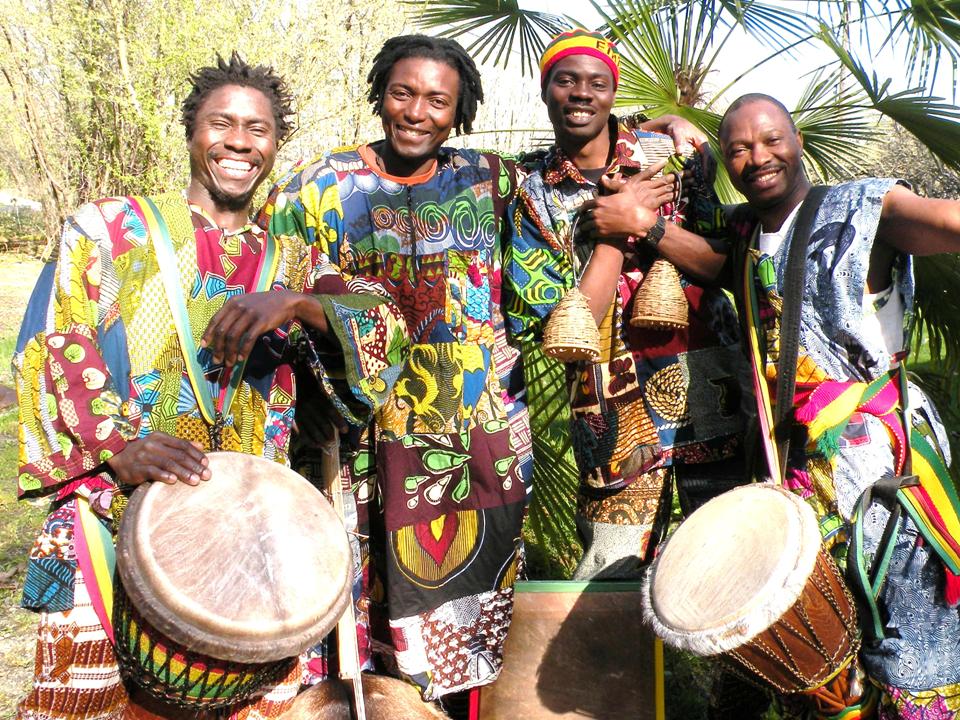
African music is deeply rooted in the history and culture of the continent. It is believed to be one of the oldest forms of music in the world, with its origins dating back thousands of years. The rich and diverse musical traditions of Africa have had a profound influence on music across the globe.
One of the key factors that shaped African music is the continent’s vast cultural diversity. Africa is home to over 2,000 distinct ethnic groups, each with its own unique musical traditions. These traditions have been passed down through generations, preserving the rich heritage of African music.
Traditional African music is often characterized by its use of percussion instruments, such as drums, rattles, and xylophones. These instruments are used to create complex rhythms and polyrhythms, which are a defining feature of African music.
Another important aspect of African music is its strong connection to spirituality and community. Music plays a central role in African rituals, ceremonies, and social gatherings. It is used to communicate with the spiritual world, to celebrate important events, and to bring people together.
Furthermore, African music is not limited to traditional forms. Over the years, African musicians have embraced and incorporated various influences from other parts of the world, resulting in a vibrant fusion of styles and genres. This fusion can be seen in the popular music of countries like Nigeria, South Africa, and Senegal, where traditional African rhythms and melodies blend seamlessly with elements of jazz, reggae, hip-hop, and more.
Moreover, African music has had a significant impact on the development of other genres, such as blues, jazz, and rock. The rhythms and melodies of African music have been woven into the fabric of these genres, influencing countless musicians and shaping the sound of popular music worldwide.
In recent years, there has been a growing recognition and appreciation for African music on the global stage. African artists like Burna Boy, Angélique Kidjo, and Wizkid have achieved international success and brought African music to a wider audience. This increased visibility has not only provided a platform for African musicians but has also sparked a renewed interest in exploring the rich musical traditions of the continent.
In conclusion, African music is a powerful and diverse art form that has deep roots in the history and culture of the continent. Its unique rhythms, melodies, and spiritual connections have influenced music around the world and continue to captivate audiences with their vibrant and soulful expressions.
African Music Traditions
Across Africa, there are countless music traditions that have been passed down through generations. These traditions vary greatly from region to region, reflecting the diverse cultures and languages of the continent.
In West Africa, for example, there is a rich tradition of griots, who are oral historians and musicians. Griots use music to tell stories, preserve history, and pass on cultural knowledge. They often accompany themselves on the kora, a 21-stringed instrument.
In Central Africa, the mbira is a popular instrument used in traditional music. It consists of metal tines that are plucked with the thumbs to create melodic patterns. The mbira is often played during ceremonies and rituals.
In Southern Africa, vocal music is a prominent feature of many traditions. Groups such as Ladysmith Black Mambazo and Miriam Makeba have gained international recognition for their powerful vocal harmonies and rhythmic singing styles.
These are just a few examples of the diverse music traditions found across Africa. Each tradition has its own unique sound, instruments, and cultural significance.
Another notable music tradition in Africa is found in East Africa, where the Swahili culture thrives. Swahili music is characterized by its rhythmic beats, melodic tunes, and vibrant dance moves. The music is deeply rooted in the Swahili language and culture, with lyrics often reflecting themes of love, spirituality, and social issues. The most common instruments used in Swahili music include the oud, a stringed instrument similar to a lute, and the ngoma, a traditional drum.
The oud is known for its distinctive sound, which adds a unique flavor to Swahili music. It is often played in a rhythmic and percussive style, providing a melodic foundation for the other instruments and vocals. The ngoma, on the other hand, is a powerful drum that sets the tempo and drives the energy of the music. It is played with great skill and precision, creating intricate rhythms that are both mesmerizing and captivating.
Swahili music is not only enjoyed for its musicality but also for its cultural significance. It plays a central role in various social gatherings and celebrations, such as weddings, festivals, and religious ceremonies. The music brings people together, fostering a sense of unity and belonging within the community.
Furthermore, Swahili music has been influenced by various other music traditions, such as Arabic, Indian, and European. This fusion of different styles and influences has resulted in a rich and diverse musical landscape, with each region within East Africa having its own unique sound and interpretation of Swahili music.
In conclusion, African music traditions are a testament to the continent’s rich cultural heritage. From the griots of West Africa to the vocal harmonies of Southern Africa, and the rhythmic beats of Swahili music in East Africa, each tradition offers a glimpse into the vibrant and diverse musical tapestry of Africa. These traditions not only entertain but also serve as a means of preserving history, passing on cultural knowledge, and fostering a sense of identity and community among the people.
Furthermore, the influence of African music goes beyond just the rhythms and melodies. It also encompasses the cultural and social aspects that are deeply embedded in the music. African music has always been a medium for storytelling, community bonding, and expressing emotions.
For example, traditional African music often features lyrics that tell stories of the community’s history, mythology, and daily life. These songs are passed down through generations, preserving the rich cultural heritage of the African people. The storytelling aspect of African music has influenced many songwriters and lyricists, who strive to create meaningful and relatable narratives in their own music.
In addition, African music has always been a form of social commentary and activism. Many African musicians have used their music as a platform to address political and social issues, advocating for change and justice. Artists like Fela Kuti, known for his Afrobeat music, used his songs to criticize corruption, inequality, and oppression. His music became a powerful tool for inspiring social movements and raising awareness.
Moreover, the influence of African music extends to the dance and fashion industries as well. African dance styles, characterized by their energetic movements and rhythmic footwork, have become popular in dance studios and music videos worldwide. The vibrant and colorful traditional African attire has also made its way into the fashion world, with designers drawing inspiration from African prints and patterns.
In conclusion, the influence of African music is vast and multifaceted. It has shaped and continues to shape the global music scene, influencing genres, lyrics, storytelling, activism, dance, and fashion. African music is a testament to the power of cultural exchange and the enduring legacy of African traditions.
Another important aspect of the evolution of African music is the role it plays in political and social movements. Throughout history, African musicians have used their art as a form of protest, activism, and cultural preservation.
During the era of colonialism and oppression, African musicians used their music to express resistance and defiance. They sang songs of freedom, justice, and equality, rallying their communities and inspiring collective action. Artists like Miriam Makeba and Fela Kuti became icons of the struggle for independence and human rights.
Even today, African musicians continue to use their music as a platform to address social and political issues. They raise awareness about corruption, poverty, and inequality, and advocate for change. Their music serves as a voice for the voiceless and a catalyst for social transformation.
Moreover, African music has played a crucial role in preserving cultural heritage and identity. Traditional music and dance forms have been passed down from generation to generation, serving as a link to the past and a celebration of cultural diversity.
Through music, Africans have been able to maintain their traditions and customs, ensuring that they are not lost in the face of globalization and modernization. Music festivals and cultural events provide opportunities for communities to come together, share their artistic expressions, and reinforce their sense of belonging.
Additionally, the evolution of African music has also been influenced by the diaspora. As Africans were forcibly taken from their homelands during the transatlantic slave trade, they carried with them their musical traditions and rhythms. These influences can be seen in various genres of music, such as jazz, blues, reggae, and salsa.
The fusion of African and diasporic musical elements has created a rich tapestry of sounds and styles that continue to evolve and inspire. Artists like Bob Marley, Miriam Makeba, and Cesária Évora have become global icons, spreading the messages of African music to audiences around the world.
Overall, the evolution of African music is a testament to the resilience, creativity, and cultural richness of the continent. It is a reflection of the diverse histories, experiences, and aspirations of African people. From traditional rhythms to modern fusions, African music continues to captivate hearts and minds, transcending borders and connecting people across the globe.