
The Vibrant Legacy of African Music
Africa, often referred to as the cradle of civilization, is a continent with a rich history that spans thousands of years. Its diverse cultures and traditions have given rise to a wide array of musical styles and genres. From the rhythmic drumming of West Africa to the melodic chants of East Africa, African music is a vibrant tapestry woven with the threads of history, culture, and spirituality.
One of the earliest forms of African music can be traced back to the ancient civilizations of Egypt and Nubia. The Egyptians, known for their advanced civilization, left behind a wealth of artifacts and writings that provide insight into their musical practices. Hieroglyphs and tomb paintings depict musicians playing various instruments, such as harps, flutes, and drums. These instruments were not only used for entertainment but also held religious and ceremonial significance.
As civilizations grew and expanded across the continent, so did the diversity of African music. The Bantu migration, for example, played a significant role in spreading musical traditions across sub-Saharan Africa. The Bantu people brought with them their unique musical styles and instruments, which blended with the existing musical traditions of the regions they settled in.
Religion also played a crucial role in shaping African music. The introduction of Islam and Christianity to the continent brought new musical influences and practices. Islamic music, characterized by its melodic and rhythmic complexity, can be heard in regions with a significant Muslim population, such as North Africa and the Sahel. Christian hymns and gospel music, on the other hand, are prevalent in many parts of sub-Saharan Africa, reflecting the fusion of African rhythms and Western musical elements.
Furthermore, African music has always been deeply intertwined with daily life and cultural practices. It is not just a form of entertainment but a means of communication, storytelling, and preserving oral history. Traditional African music often accompanies rituals, ceremonies, and social gatherings, serving as a unifying force within communities. It is through music that African people express their joys, sorrows, hopes, and dreams.
Over the centuries, African music has transcended its borders and influenced musical traditions around the world. The rhythms and melodies of African music have found their way into various genres, such as jazz, blues, reggae, and hip-hop. Artists like Fela Kuti, Miriam Makeba, and Youssou N’Dour have brought African music to global audiences, showcasing the richness and diversity of the continent’s musical heritage.
In conclusion, African music is a testament to the resilience, creativity, and spirituality of the African people. It is a living art form that continues to evolve, adapt, and inspire. From ancient civilizations to modern-day expressions, African music remains a powerful force that connects people across borders and bridges the gap between past and present.
In addition to percussion instruments, African music also incorporates a wide variety of other instruments. Stringed instruments like the kora, ngoni, and mbira are popular in West and Southern Africa. These instruments produce melodic lines that intertwine with the rhythmic patterns created by the percussion instruments.
Vocal music is another essential component of African music traditions. Singing is used to convey messages, tell stories, and express emotions. African vocal styles are characterized by rich harmonies, call-and-response patterns, and improvisation. Singers often use their voices to mimic the sounds of nature or animals, adding a unique and vibrant element to the music.
Each region in Africa has its own distinct musical traditions and styles. For example, the music of West Africa is heavily influenced by the griot tradition, where musicians are storytellers and historians who pass down oral history through song. In East Africa, the Swahili coastal region is known for its taarab music, which combines Arabic, Indian, and African influences.
Throughout history, African music has also been influenced by external factors such as colonization and the transatlantic slave trade. These influences have led to the development of genres like Afrobeat, reggae, and jazz, which blend African rhythms with elements of Western music.
Today, African music continues to evolve and adapt, reflecting the diverse cultures and experiences of the continent. It has also gained global recognition and appreciation, with African artists making significant contributions to the world music scene. From the infectious rhythms of Afrobeat to the soul-stirring melodies of traditional mbira music, African music remains a vibrant and important part of the world’s musical heritage.
Influence of African Music
African music has had a profound influence on music around the world. Its rhythms and melodies have been incorporated into various genres, including jazz, blues, reggae, and hip-hop. African musical elements such as call-and-response vocals, improvisation, and syncopation can be heard in many contemporary music styles.
The African diaspora, which refers to the dispersion of African people and their culture throughout the world, has played a significant role in spreading African musical traditions. During the transatlantic slave trade, African slaves brought their music and cultural practices to the Americas, where they merged with European musical traditions to create new genres such as blues and jazz.
Today, African music continues to inspire and influence musicians and artists from all over the world. Artists like Fela Kuti, Miriam Makeba, and Salif Keita have brought African music to the global stage, showcasing its beauty and diversity.
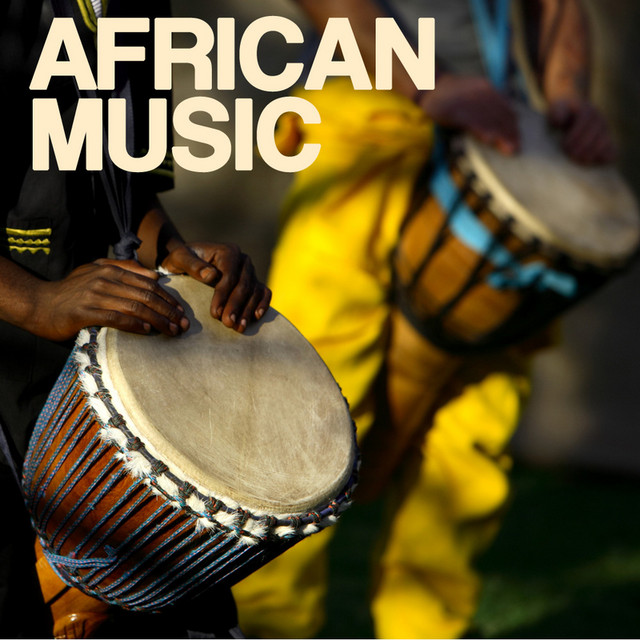
One of the most notable aspects of African music is its rich and diverse rhythmic patterns. The intricate polyrhythms and complex drumming techniques have captivated musicians and audiences alike. The use of various percussion instruments, such as djembes, talking drums, and shakers, creates a vibrant and energetic sound that is unique to African music.
Another significant influence of African music is its emphasis on communal participation and social cohesion. In many African cultures, music is not only a form of entertainment but also a means of communication and community building. Traditional African music often involves group singing, dancing, and clapping, creating a sense of unity and togetherness.
Furthermore, African music has also had a profound impact on the development of popular music genres. The blues, which emerged in the early 20th century, drew heavily from African musical traditions, incorporating elements such as the call-and-response structure and the use of the pentatonic scale. This fusion of African and European musical styles laid the foundation for the development of jazz, rock and roll, and other modern music genres.
Moreover, African music has served as a source of inspiration for artists and musicians outside of Africa. Many renowned musicians, such as Paul Simon, Peter Gabriel, and David Byrne, have collaborated with African musicians and incorporated African musical elements into their own work. This cross-cultural exchange has not only enriched the global music scene but also fostered a greater appreciation and understanding of African culture.
In conclusion, African music’s influence on global music cannot be overstated. Its rhythms, melodies, and cultural practices have permeated various genres and continue to inspire musicians and artists worldwide. As the world becomes increasingly interconnected, the appreciation and celebration of African music will undoubtedly continue to grow, contributing to the global tapestry of musical expression.
Evolution of African Music
Like any art form, African music has evolved over time, adapting to changes in society and technology. Traditional African music has blended with Western influences to create new genres and styles.
In the 20th century, African musicians began incorporating Western instruments such as guitars, keyboards, and brass instruments into their music. This fusion of African and Western elements gave birth to genres like highlife, soukous, and Afrobeat. These genres not only incorporated Western instruments but also embraced Western musical structures and harmonies, while still maintaining their African roots.
The rise of technology has also had a significant impact on African music. With the advent of recording equipment and the internet, African musicians have been able to reach a global audience and collaborate with artists from different parts of the world. This has led to the emergence of new sub-genres and cross-cultural collaborations.
For example, artists like Youssou N’Dour from Senegal and Angelique Kidjo from Benin have successfully blended traditional African rhythms with elements of pop, jazz, and reggae, creating a unique sound that appeals to audiences worldwide. These collaborations have not only introduced African music to new audiences but have also provided a platform for African artists to share their cultural heritage and stories.
Despite these changes, traditional African music remains an essential part of the continent’s cultural heritage. It is a source of pride and identity for African people, and it continues to be passed down from generation to generation. Traditional instruments such as the djembe, kora, and mbira are still widely used in African music, preserving the authentic sound and spirit of the continent.
In conclusion, African music is a vibrant and diverse art form that has its roots deeply embedded in the continent’s history and culture. Its rich traditions, rhythmic complexity, and powerful expressions have had a profound influence on music worldwide. From its ancient origins to its modern evolution, African music continues to captivate and inspire audiences around the globe.