
The History and Evolution of African Music
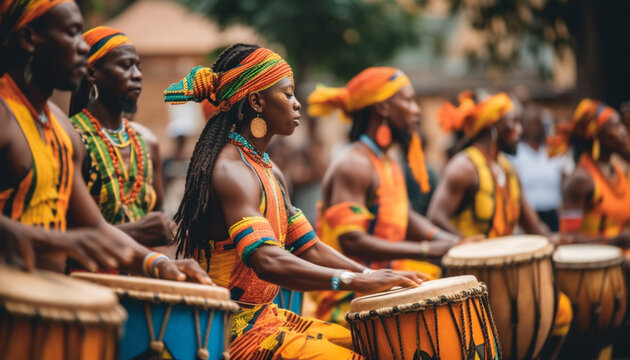
African music has a long and vibrant history that dates back thousands of years. It is deeply intertwined with the social, cultural, and spiritual fabric of African societies. From the rhythmic beats of the djembe in West Africa to the melodic sounds of the mbira in Southern Africa, each region of the continent has its own unique musical traditions and instruments.
Ancient Civilizations and Influences
One of the earliest forms of African music can be traced back to the ancient civilizations of Egypt and Nubia. The Egyptians were known for their love of music and used it in various aspects of their daily lives, from religious ceremonies to entertainment. The Nubians, on the other hand, were skilled in playing a variety of instruments, including lyres, harps, and drums.
Trade Routes and Cultural Exchange
As trade routes expanded across the continent, African music began to evolve and incorporate influences from other cultures. For example, the introduction of the guitar by Portuguese traders in the 15th century had a profound impact on the music of West Africa, particularly in countries like Senegal and Mali.
Colonization and Fusion of Musical Traditions
During the era of colonization, African music faced both challenges and opportunities. European powers brought their own musical traditions to Africa, which led to the fusion of African rhythms with European harmonies and instruments. This fusion gave birth to new genres such as Afrobeat, a genre popularized by Nigerian musician Fela Kuti, which combined elements of highlife, jazz, and funk.
Contemporary African Music and Global Audience
Today, African music continues to thrive and evolve, with artists pushing boundaries and experimenting with new sounds. The rise of technology and the internet has also played a significant role in the global dissemination of African music. Artists like Burna Boy from Nigeria, Angélique Kidjo from Benin, and Salif Keita from Mali have gained international recognition, bringing African music to audiences around the world.
Influence on Global Music
Moreover, African music has had a profound influence on various genres outside of the continent. From the blues and jazz in the United States to reggae in Jamaica, the rhythmic and melodic elements of African music can be heard in countless songs and compositions.
Preserving and Celebrating African Music
Another important aspect of preserving and celebrating African music is the role of educational institutions, community organizations, technology, and collaborations. By embracing and supporting these efforts, we can ensure that African music continues to thrive, evolve, and inspire generations to come.